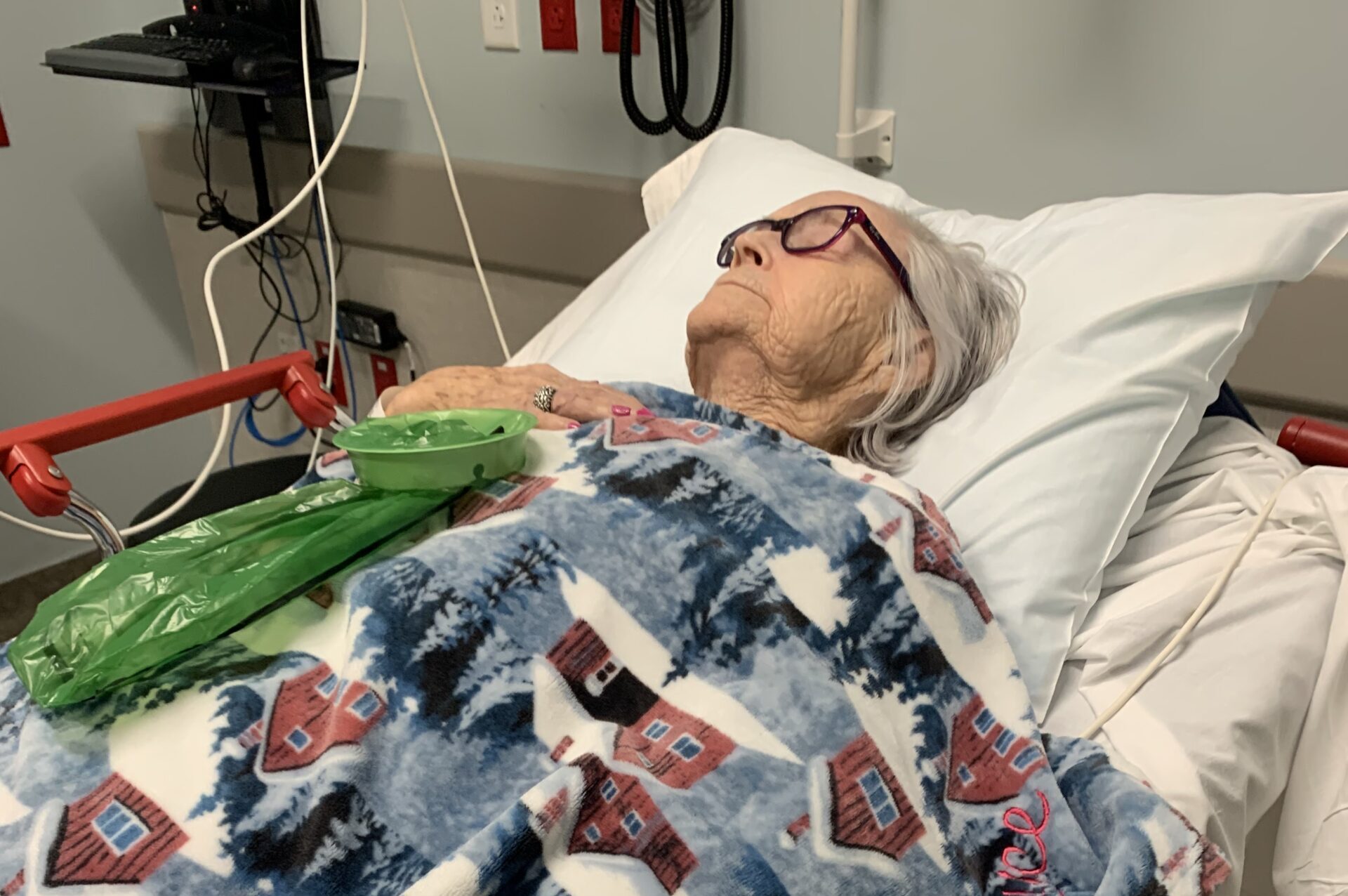

When someone asks, “How are you?” I pause.
The real answer changes by the hour—sometimes by the minute.
Caregiving moves like the wind: gentle one moment, a storm the next. From the outside people see quiet strength. Underneath? Waves of worry, exhaustion, and hope—all held together by a heart that refuses to quit.
A better question is: “How are you right now?”
And then—just listen, be present, love, and give a hug.
Knowing there are stages helped me understand the journey. They gave me a map when I felt lost, showed me my feelings were normal, and reminded me that this season—however long—will not last forever. So, I decided to enjoy the journey.
Here are the five stages most caregivers walk through. You’ll move back and forth between them, and that’s perfectly okay.
Stage 1: The Call to Care
Life shifts—sometimes gradually, sometimes with one phone call—and suddenly you’re the one responsible.
When Mom needed full-time care, I stepped away from my thriving business and the life we’d built. I felt pulled into chaos, out of my comfort zone, and terrified I didn’t have what it took.
It’s okay not to have all the answers. Start with what you know, gather the rest, and ask for help. You were never meant to do this alone.
[Need practical first steps? [CLICK HERE] – Caregiving 101
Stage 2: Finding Your Footing
Everything feels overwhelming—doctors, medications, paperwork, emotions. You’re tired, scared, maybe even resentful.
Those first months were a blur of exhaustion and anxiety for me. Slowly, routines emerged, boundaries formed, and I learned that accepting help is wisdom, not weakness. You are wise, friend.
Stage 3: The Long Middle
This is the stretch where months turn into years. Daily routines, weariness, grief, and quiet strength live side by side.
Most days Mom tried to “go home” to a house that now existed only in her mind. Nights felt endless. Yet love kept me showing up.
Feeling stretched thin doesn’t mean you’ve failed—it means you’re human. Pause. Breathe. Call your support. The hard days and the holy moments both belong.
Stage 4: The Crossroads
Care needs grow, decisions get heavier—home care, facilities, hospice. Relief and guilt show up together. Both are normal.
Building simple systems, time for soul-care, and a trusted Care Circle became my lifeline. You were never meant to carry it alone. Pause. Pray. Gather information. Lean on voices you trust.
Stage 5: Life After Caregiving
One day the role ends, the house grows quiet, and you get to rediscover who you are now.
Be gentle with yourself. Grief, relief, exhaustion—they all belong. Rest. Remember.
And when you’re ready—share your story. Someone still holding what’s heavy needs to hear that this season passes, that joy can live inside sorrow, and that they are not alone.
One of the greatest gifts I’ve given myself (and my future grieving heart) is capturing the journey while it’s happening.
I have a note on my phone called “Mom’s One-Liners.” It’s packed with photos, short videos, and the funniest things she says. My current favorite:
Early spring, still chilly. Mom is bundled in a blanket in the backyard while my husband waters the garden. Out of nowhere she calls, “Don, just remember—I am not a flower!” (She did NOT want to get squirted.)

We laughed until we cried. That 10-second memory is now priceless.
Journal → Capture → Share
One day the caregiving will end, but a single photo, a one-line note, or a 5-second video will bring their voice, their laugh, their spirit flooding back — comfort you can’t imagine needing right now. But you will.
Three little steps turn ordinary days into treasures that outlast the hard.
JOURNAL
Drop one quick line in your phone notes:
- The funniest thing they said today
- One moment that made you feel connected or proud
- Something small you never want to forget
CAPTURE
Grab ONE living memory:
- A photo of their smile, a silly expression, their favorite outfit, or even sleeping.
- A 5-second video of them being exactly themselves
- Their latest one-liner (“Don, just remember — I am not a flower!”)
SHARE
- Text it to a sibling right now (“You have to see this!”)
- Then save it in a folder/album/note called “Living Memories” — one day you’ll hand the whole collection to your family and watch the tears turn into the best kind of healing laughter.
Journal → Capture → Share.
Three little habits to turn heavy days into a love story you’ll treasure forever.
Your story matters.
The tears, the laughs, the sacred ordinary—they’re all part of a journey only you can tell.
Start today.
One line, one photo, one share at a time.
Future-you (and those who love them) will open it on the hardest day and whisper,
“Thank you”